Elbit Systems, UAV Division
Elbit Systems' UAV Division develops unmanned aerial systems, including the SkyStriker loitering munition.
I analyze and size UAV structures for 10+ projects using FEA, from preliminary sizing to certification stress reports, to NATO STANAG 4671 and MIL-STD-810 requirements. I delivered their certification stress reports, and all of them went to the customers and flew.
I develop the systems our stress team works with: SAW (Structural Analysis Workbench) run by agentic AI in VS Code that turns days of work after the solver into a couple of hours, and 23 MSC Apex tools that make work in Apex with FEA models more than threefold faster.
Projects
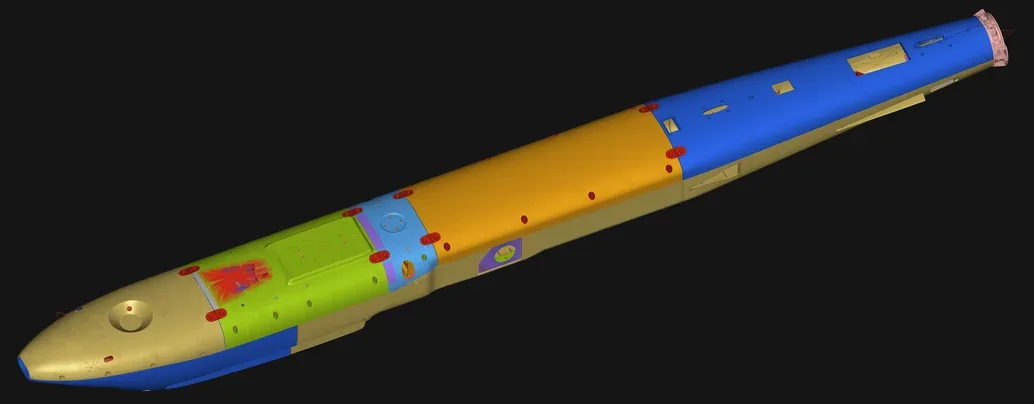

SkyStriker Block 4
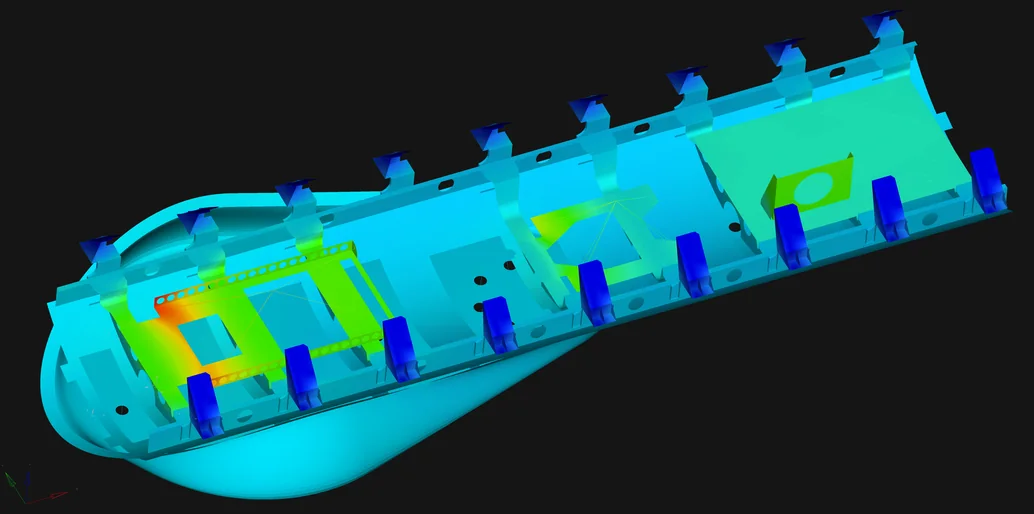
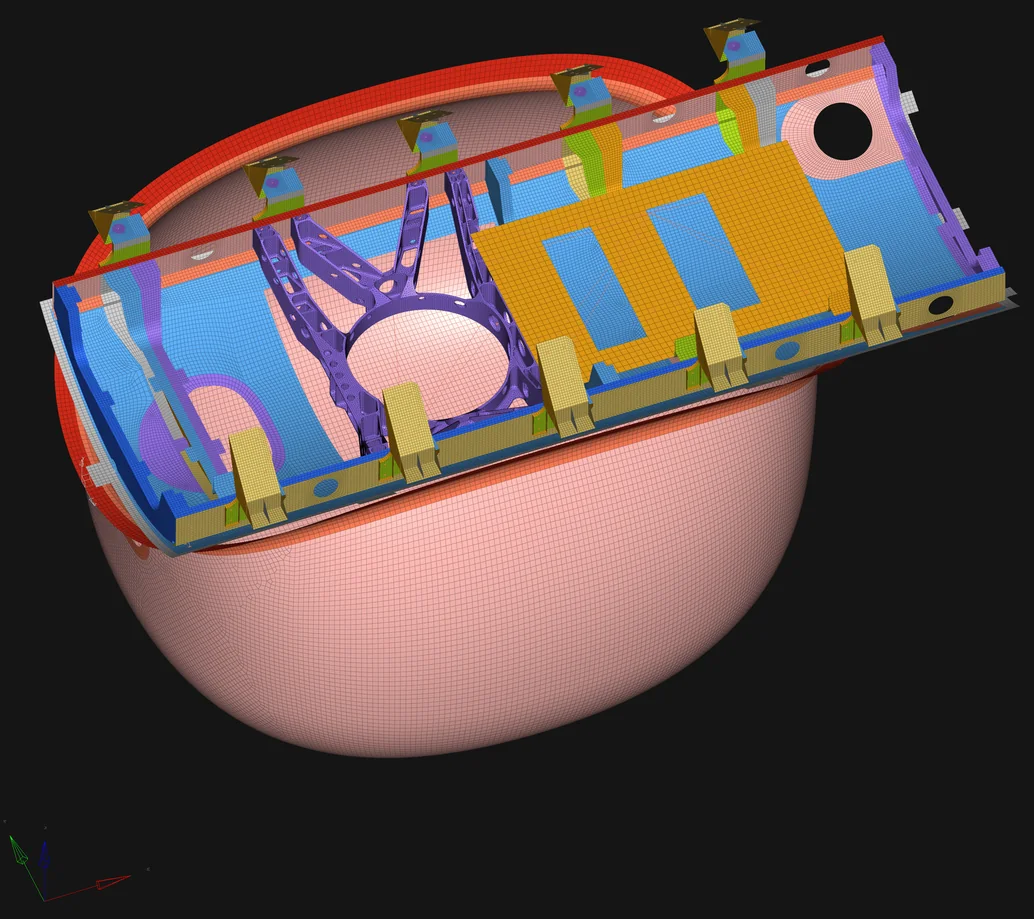
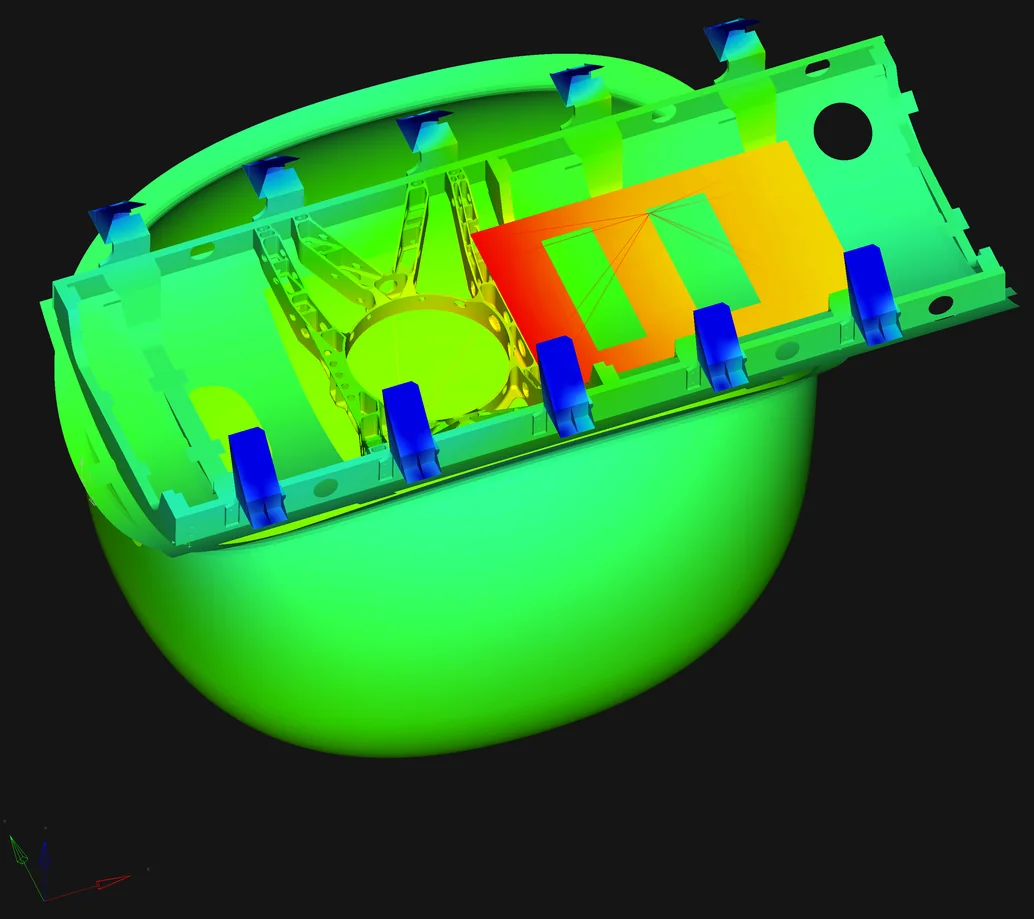
I resolve the strength and stiffness problems of the complete fuselage (FEA with 2 million elements) of a serial production UAV, made of large molded plastic parts under high launch loads and flight load factors, enabling it to pass its tests, and accelerate the analyses more than threefold with my own tools, SAW (Structural Analysis Workbench) and Apex API
View project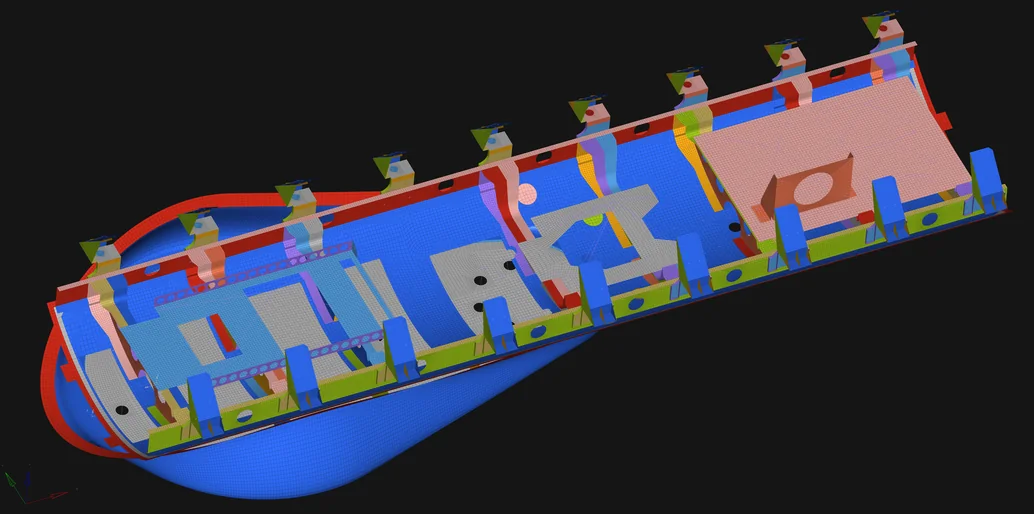
Analysis tools I built
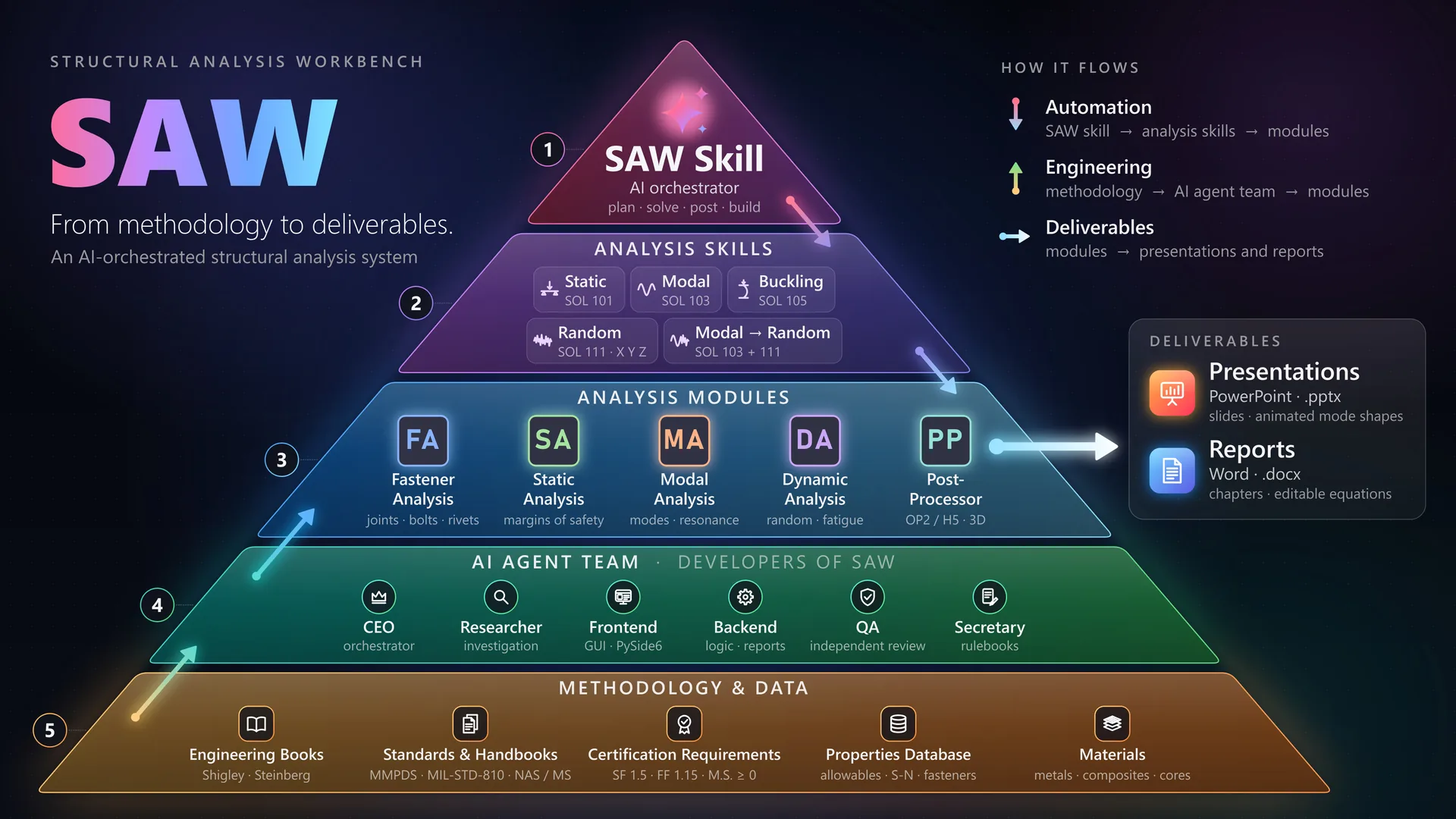
Structural Analysis Workbench (SAW)
Agentic AI, GitHub Copilot in VS Code, PythonI built the SAW system to take a structural analysis project from the MSC Nastran input decks to a review-ready presentation and stress report. My agentic AI runs it in VS Code: a board of AI agents solves, post-processes, checks and assembles a whole project using AI skills, while I make all engineering decisions. I brought the whole analysis into 5 modules, from post-processing to static, fastener, modal and dynamic analysis, with one standard for the whole team.
The SAW system cut all the work after the solver from days to a couple of hoursView details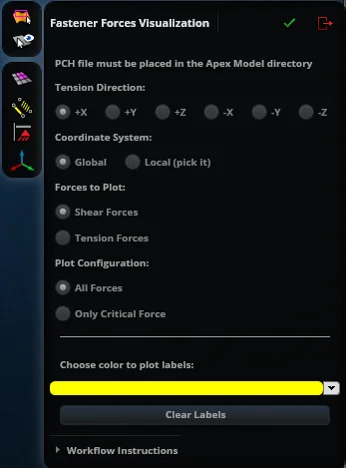
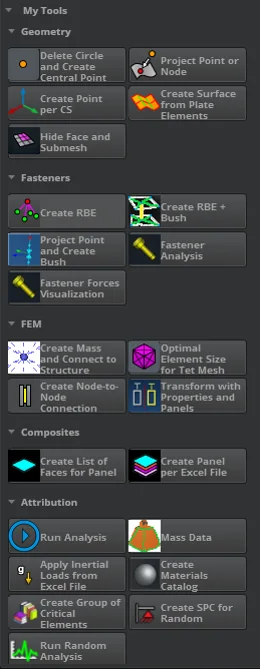
Apex API scripts
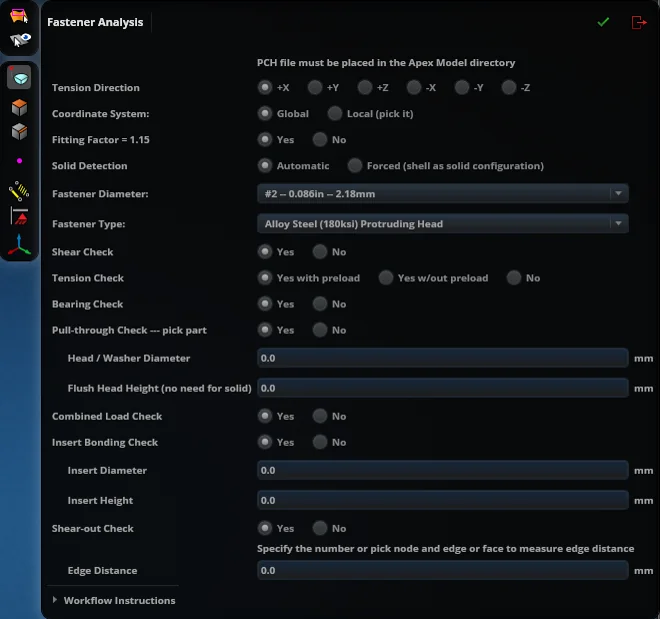
Python, MSC Apex APII built 23 tools into MSC Apex that automate the work on the whole analysis model: the strength of every fastener in every load case in 7 failure modes, hundreds of bolted joints in one run, composite laminates from Excel ply tables and solver-ready MSC Nastran input files. The whole stress team works with them.
My tools make the work in Apex more than threefold fasterView detailsWhat I do
- Build FEA models for 10+ projects in MSC Apex and Altair HyperWorks and deliver their structural analysis from preliminary sizing to manufacturing, per NATO STANAG 4671 and MIL-STD-810 requirements
- Verify my FEA models with hand calculations, mesh convergence and Apex API checks of element quality and mass
- Analyze metallic, plastic and composite parts in linear and nonlinear static analysis, with large displacement, material plasticity and contact, and in buckling analysis
- Optimize the structures based on all structural analysis results, increasing their stiffness, cutting their weight and keeping their natural frequencies clear of the excitation frequencies
- Analyze random response to vibration spectra and calculate fatigue life from S-N curves
- Deliver the structural analysis of the SkyStriker Block 4 fuselage: solve the strength and stiffness problems of molded plastic, metallic and composite parts under high launch loads and flight load factors, enabling the UAV to pass its tests, and optimize the geometry with the design team for serial production
- Develop SAW (Structural Analysis Workbench) run by agentic AI in VS Code that turns days of work after the solver into a couple of hours; I use it on all my projects, and my stress team colleagues use it in theirs too
- Design the 6 AI skills that run my analyses through SAW, with 57 automatic quality checks on every run
- Develop and maintain 23 Apex API tools in Python that the whole team uses and that make work in Apex with FEA models more than threefold faster
- Deliver certification stress reports and summary presentations for the systems
- Present my stress analyses to customers at PDR (Preliminary Design Review) and CDR (Critical Design Review), and defend my reports against their comments
- Mentor other stress engineers on FEA model building in MSC Apex